
Tax
Understanding GST in India: A Complete Guide for Businesses in 2026
By Neeraj Sharma
About
Understanding GST in India: A Complete Guide for Businesses
Goods and Services Tax (GST) has completely transformed the Indian taxation system. Introduced in 2017, GST replaced multiple indirect taxes like VAT, Service Tax, and Excise Duty with a single unified tax system. If you are a business owner, startup founder, or freelancer, understanding GST is not optional — it is essential for smooth operations and legal compliance.
In this guide, we will explain everything about GST in simple language — from registration to benefits and return filing.
What is GST?
GST (Goods and Services Tax) is an indirect tax levied on the supply of goods and services in India. It is a destination-based tax, meaning the tax is collected in the state where goods or services are consumed.
GST is categorized into:
- CGST – Central GST (collected by Central Government)
- SGST – State GST (collected by State Government)
- IGST – Integrated GST (for inter-state transactions)
Who Needs GST Registration?
You must register for GST if:
- Your business turnover exceeds ₹40 lakh (₹20 lakh for service providers).
- You sell goods or services online.
- You operate in multiple states.
- You are involved in e-commerce or exports.
If you are running a business in Bulandshahr or nearby areas, you can check our professional GST assistance services here: GST Services in Bulandshahr.
GST Tax Slabs in India
GST is divided into different tax slabs:
- 0% – Essential goods
- 5% – Basic necessities
- 12% – Processed goods
- 18% – Most services and goods
- 28% – Luxury items
Choosing the correct tax slab is important to avoid penalties and notices.
Benefits of GST for Businesses
GST offers multiple benefits:
- Elimination of cascading tax effect
- Simple online return filing
- Improved transparency
- Input Tax Credit (ITC) benefits
- Better compliance structure
With proper GST management, businesses can reduce tax liability and maintain a clean financial record.
How to File GST Returns?
GST returns are filed monthly or quarterly depending on your business type. Common returns include:
- GSTR-1 – Details of outward supplies
- GSTR-3B – Summary return
- GSTR-9 – Annual return
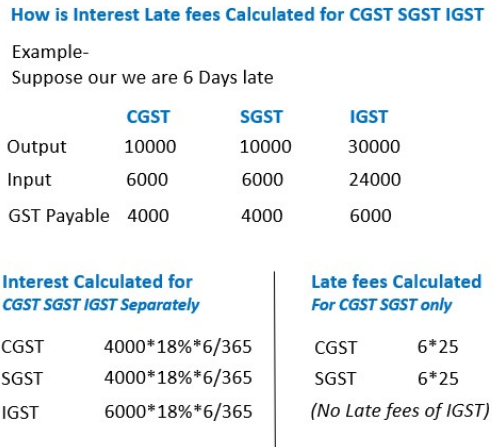
Filing returns on time helps you avoid penalties and late fees. If you need expert assistance, visit our website: DigiOctus GST & Business Services.
Common GST Mistakes to Avoid
- Wrong HSN/SAC code usage
- Incorrect Input Tax Credit claims
- Late filing of returns
- Mismatched invoices
Even small mistakes can result in heavy penalties. It is always better to consult professionals for proper GST handling.
Conclusion
GST has simplified the tax structure in India, but compliance is still crucial. Whether you are a small business owner or managing a growing enterprise, understanding GST rules can help you stay legally secure and financially stable.
If you are looking for professional GST registration, filing, or consultation services, our expert team at DigiOctus is ready to help.